






| ENERGY SOLUTIONS FOR INDUSTRIAL AND COMMERCIAL OPERATIONS |
We design and implement projects that cut costs, manage energy demand, and keep operations running without interruption.
What we do:
- Full energy assessment
- Identifying energy losses and unnecessary costs
- Peak demand reduction
- Utility rate optimization
- Projects with a clear ROI
SOLUTIONS PORTFOLIO

We handle every phase in-house: assessment, design, procurement, installation, commissioning, monitoring, and maintenance — with a single point of technical accountability from start to finish.
On-site generation for self-consumption, reducing grid dependency and locking in long-term cost stability.
- Lower OPEX
- Protection against rising utility rates
Systems built for active demand management and operational resilience.
- Peak shaving
- Load shifting
- Critical backup power
- Time-of-use rate optimization
- Generator compatibility
Combined generation and storage for maximum energy independence.
- Reduced grid reliance
- Uninterrupted operations
- Lower fossil fuel consumption
- Microgrid and smart backup capability
- Generator compatibility
Reducing consumption through targeted technical upgrades to existing infrastructure.
- Energy audits
- Power quality – Grid Code compliance
- Electrical loss detection and reduction
Ongoing oversight to keep performance on track.
- 24/7 remote monitoring
- Preventive and corrective maintenance
- Performance reporting
- Equipment warranties

Manufacturing

Auto parts

Mining

Logistics centers and distribution hubs

Retail and shopping centers

Hospitals

Hotels

Agribusiness

Critical infrastructure

Solar Panels

Inverters

Batteries (BESS)
Why it matters?
Today’s energy landscape directly affects profitability and operational stability.
- Rising electricity rates and demand charges
- Power factor penalties
- Grid instability
- Production downtime due to supply failures
- ESG requirements and sustainability targets
- Over-reliance on an unreliable public grid
Energy management becomes an asset — not a cost — when it’s properly measured, modeled, and optimized.
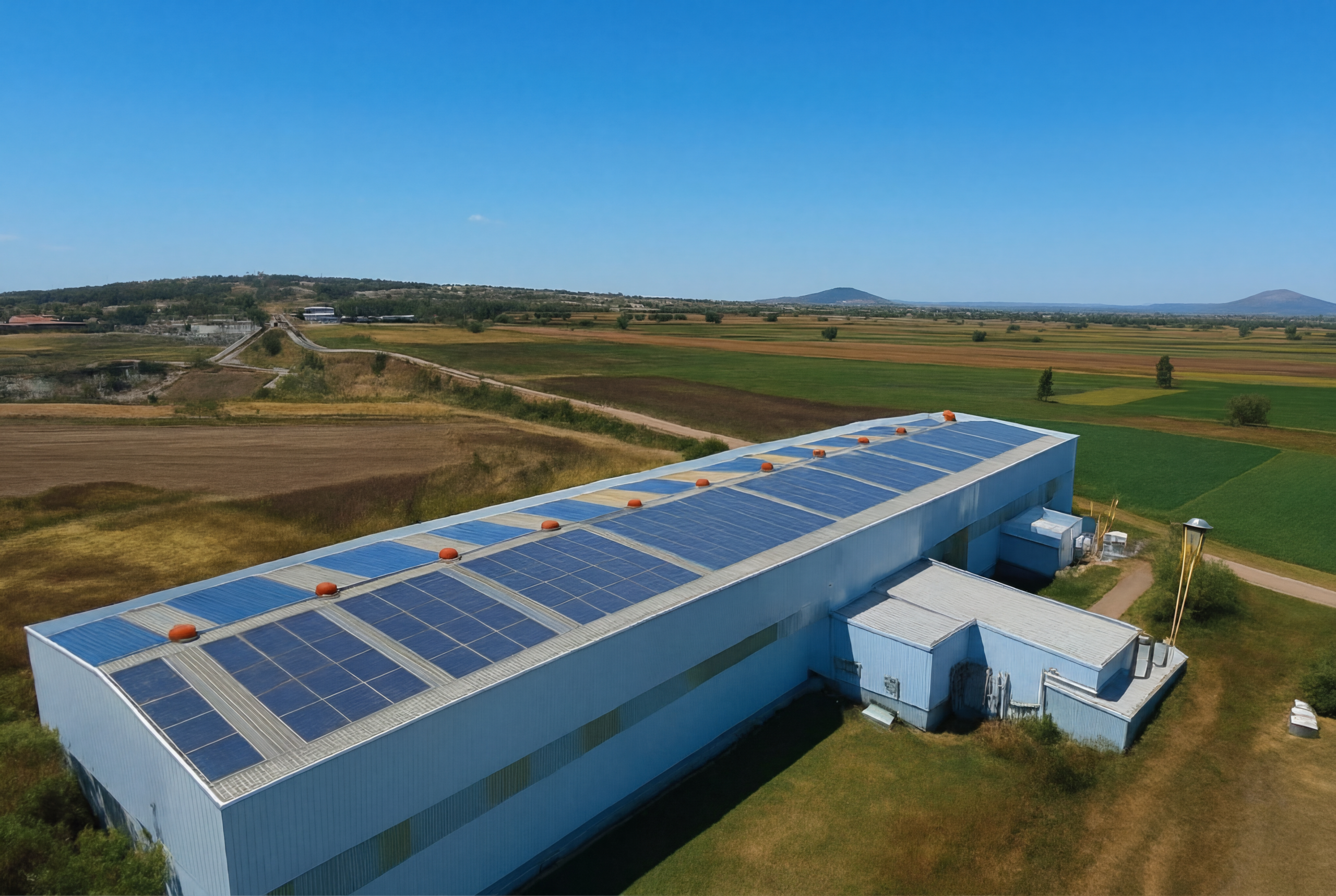
TRACK RECORD
Proven experience delivering energy projects with measurable outcomes. Every project is grounded in technical analysis and financial evaluation, with a focus on operational viability and return on investment.

OVER 250 MW DEPLOYED
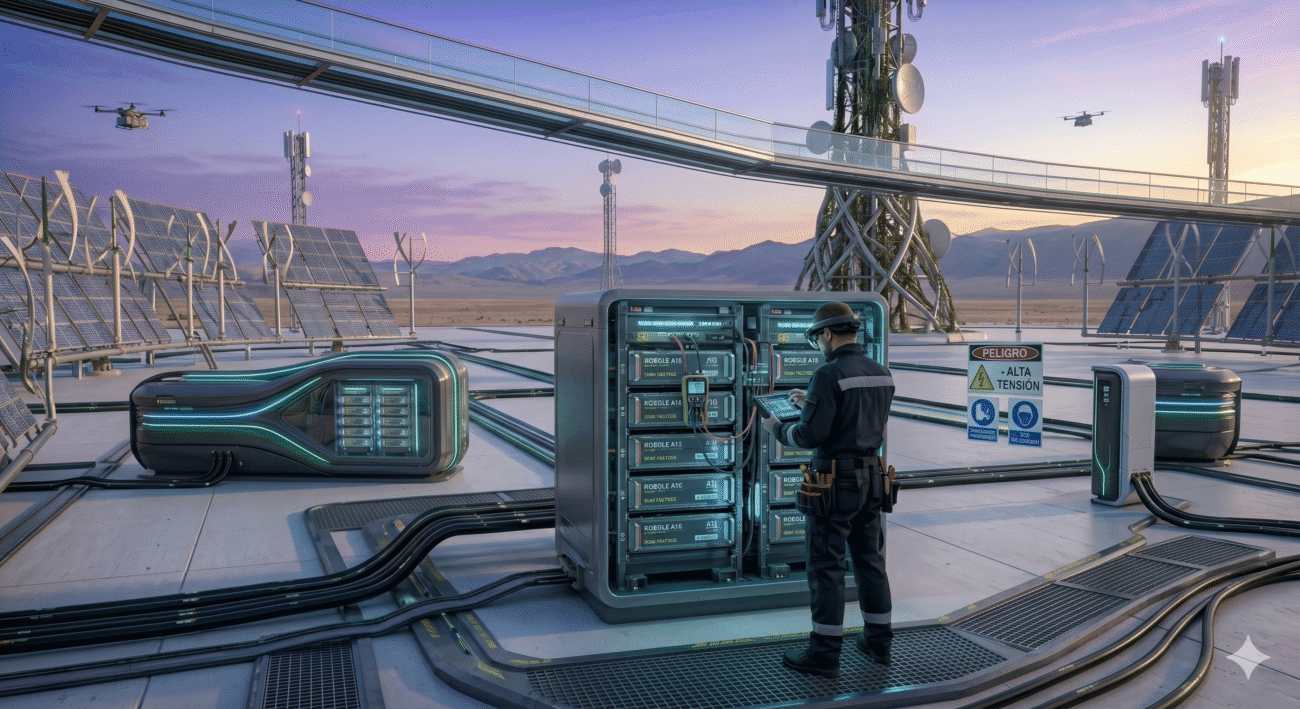
PREVENTIVE AND CORRECTIVE MAINTENANCE
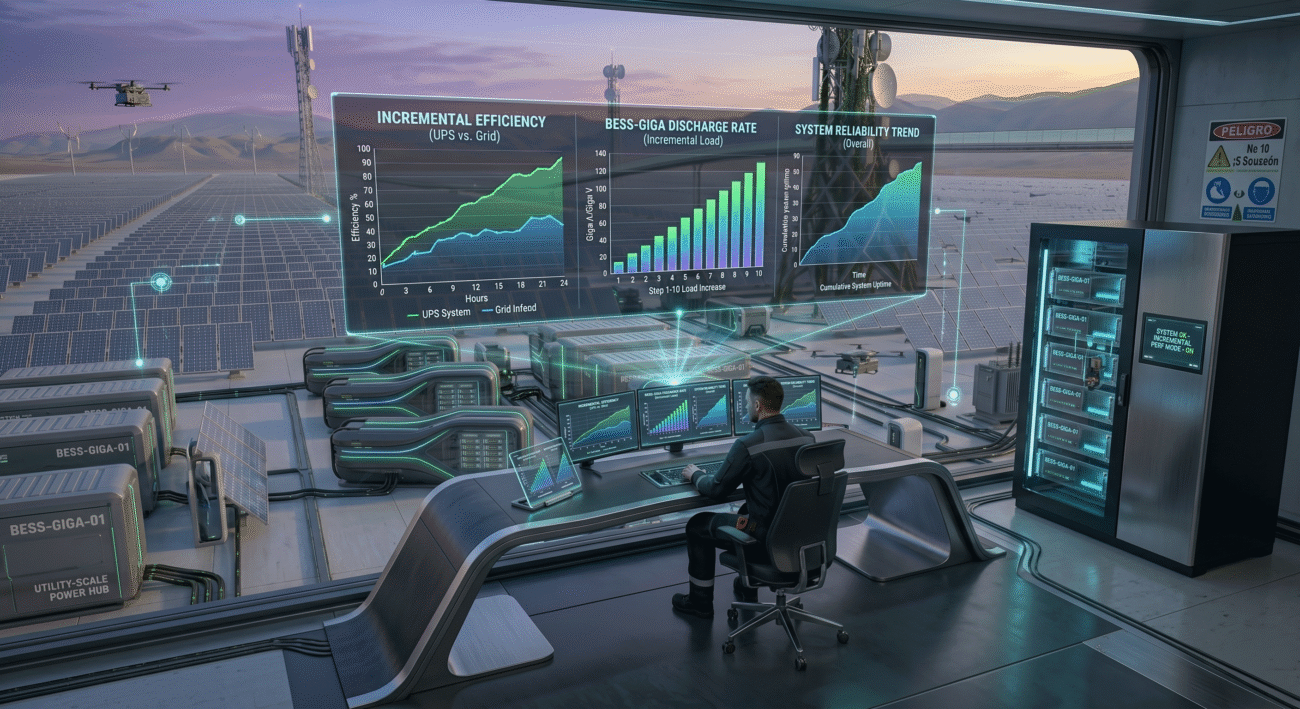
PERFORMANCE REPORTING
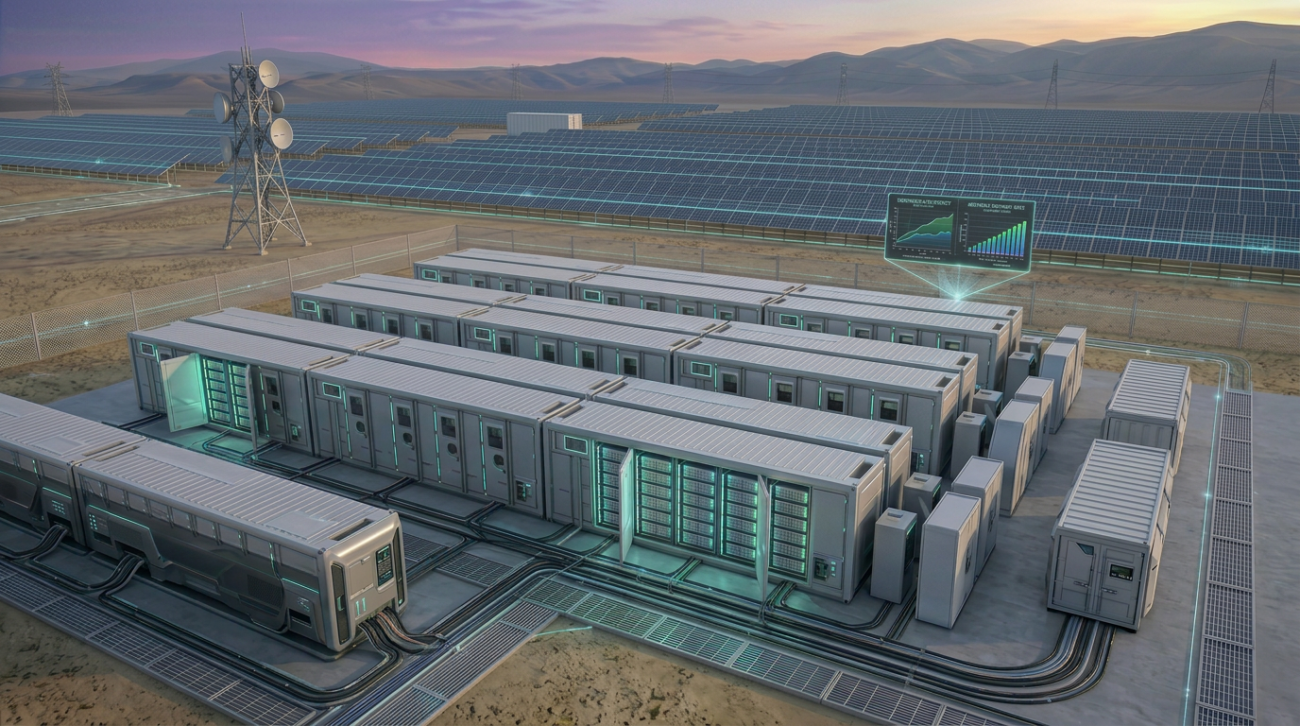
EQUIPMENT WARRANTIES

Get in Touch
Reach out to our engineering team to develop a new solution, adapt an existing one, or go over technical specs.
We’re with you from the first conversation through final validation and go-live.